All copy in one place. Edit content in lib/resume-data.ts — it flows to this page, the modal, and cards.
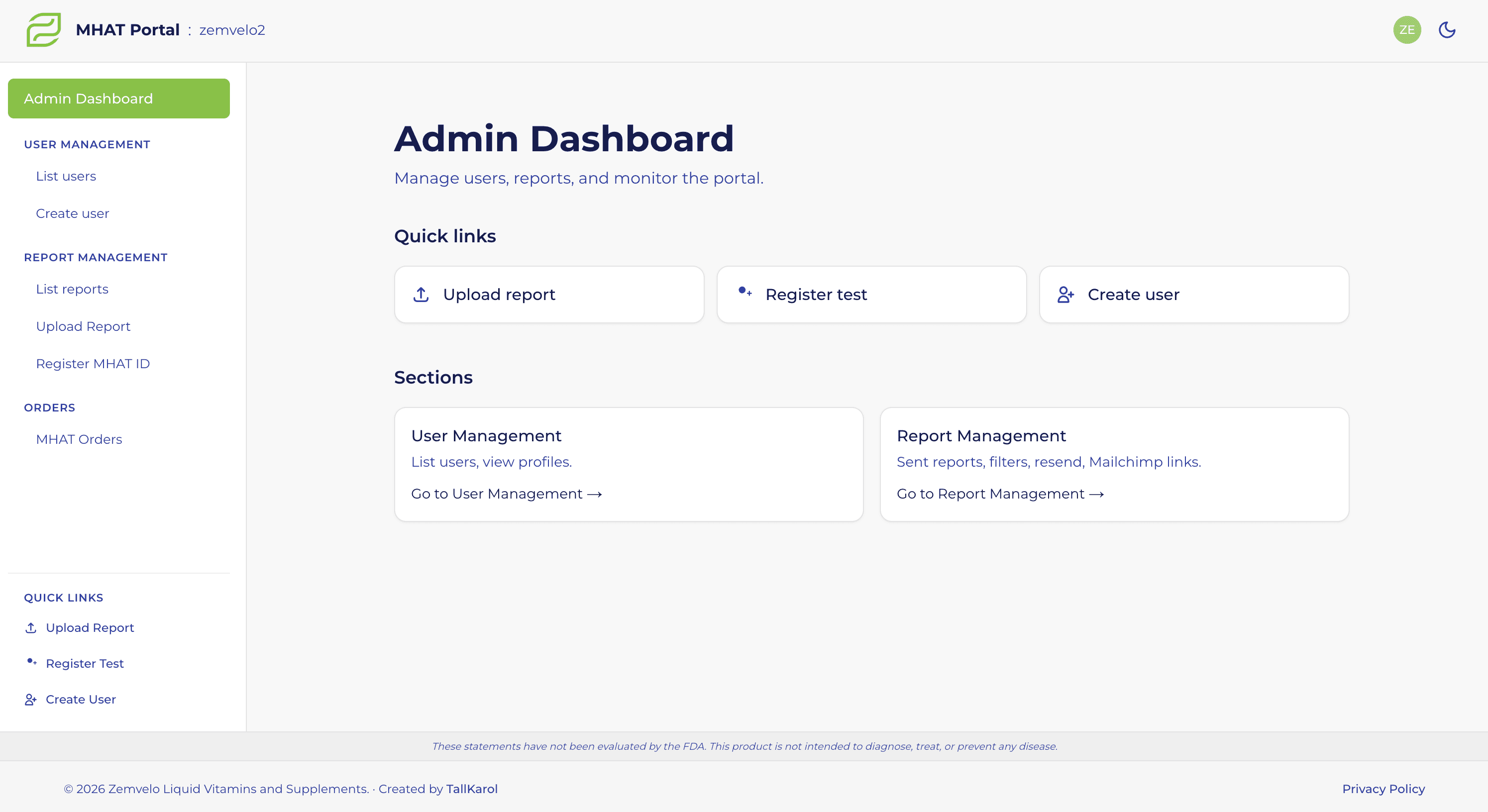
secure-document-management-portal
Secure Document Management Portal
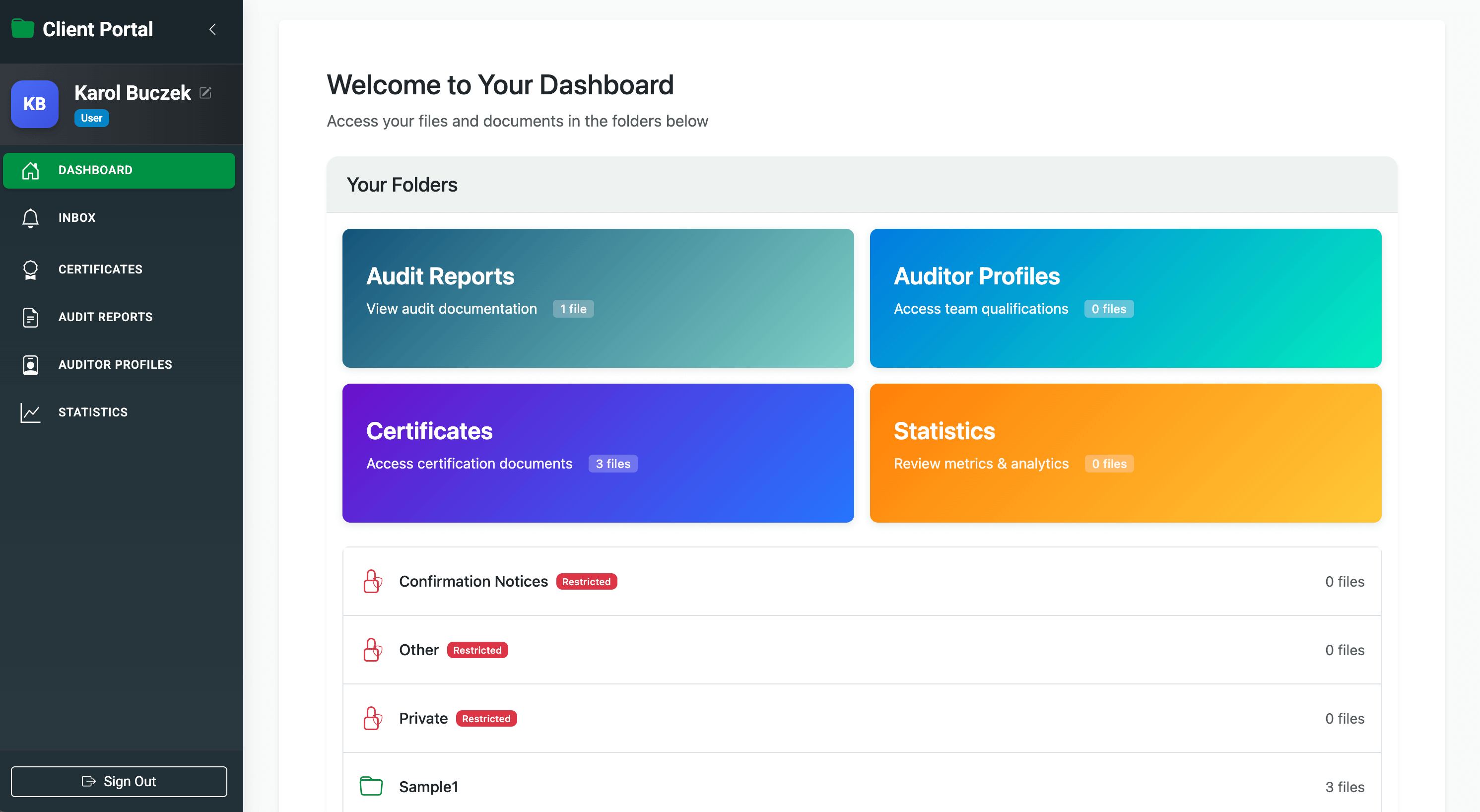
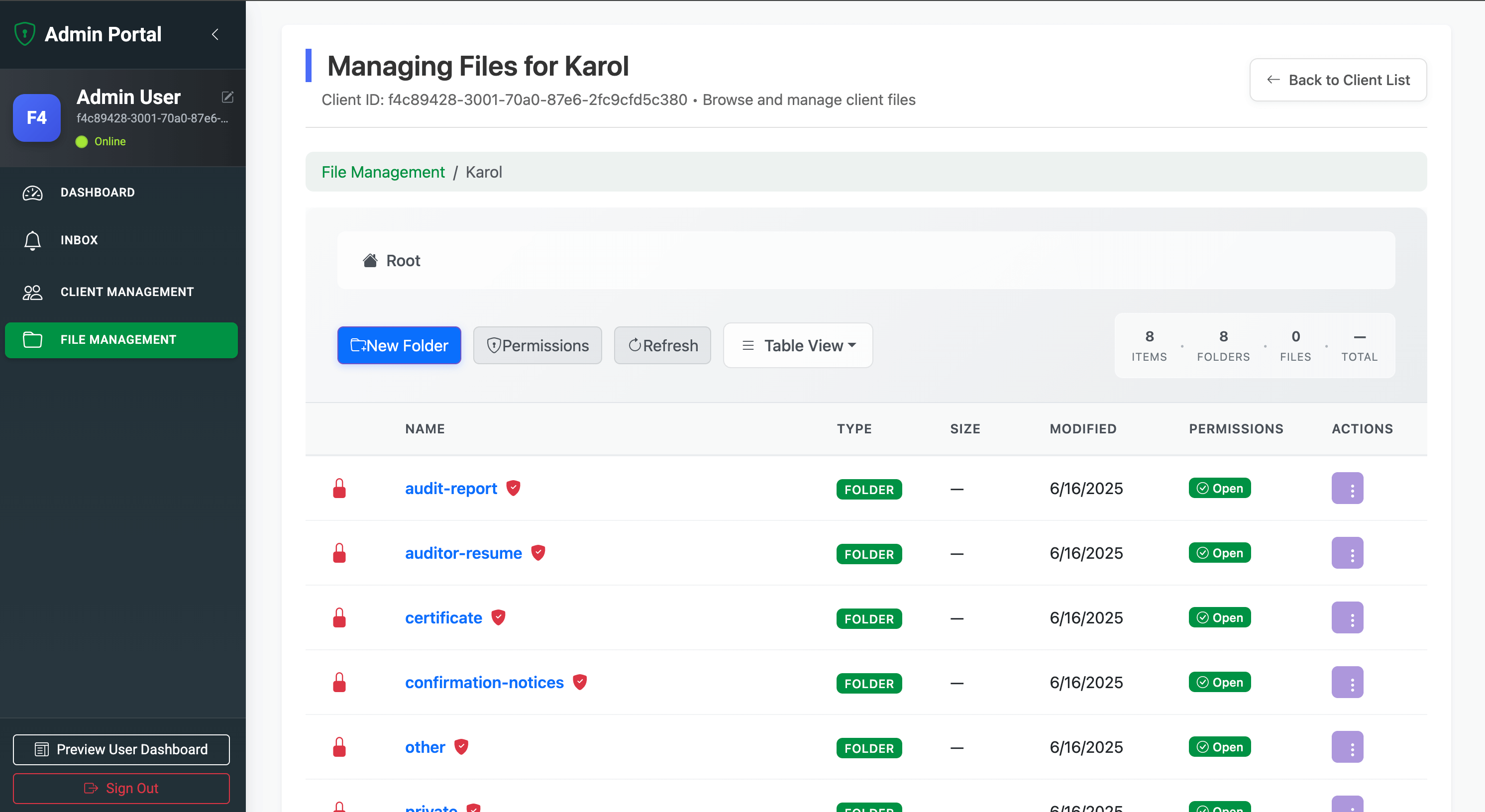
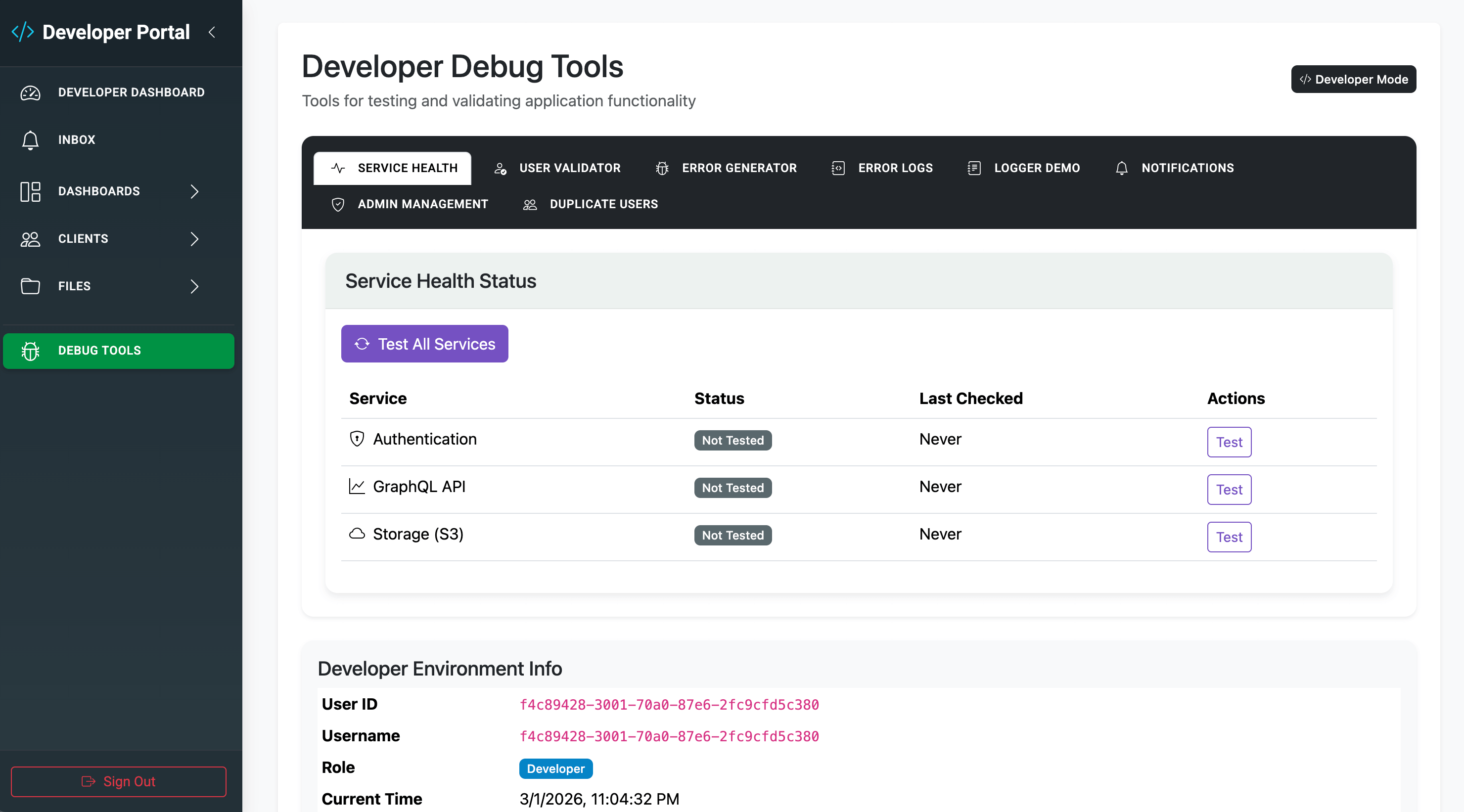
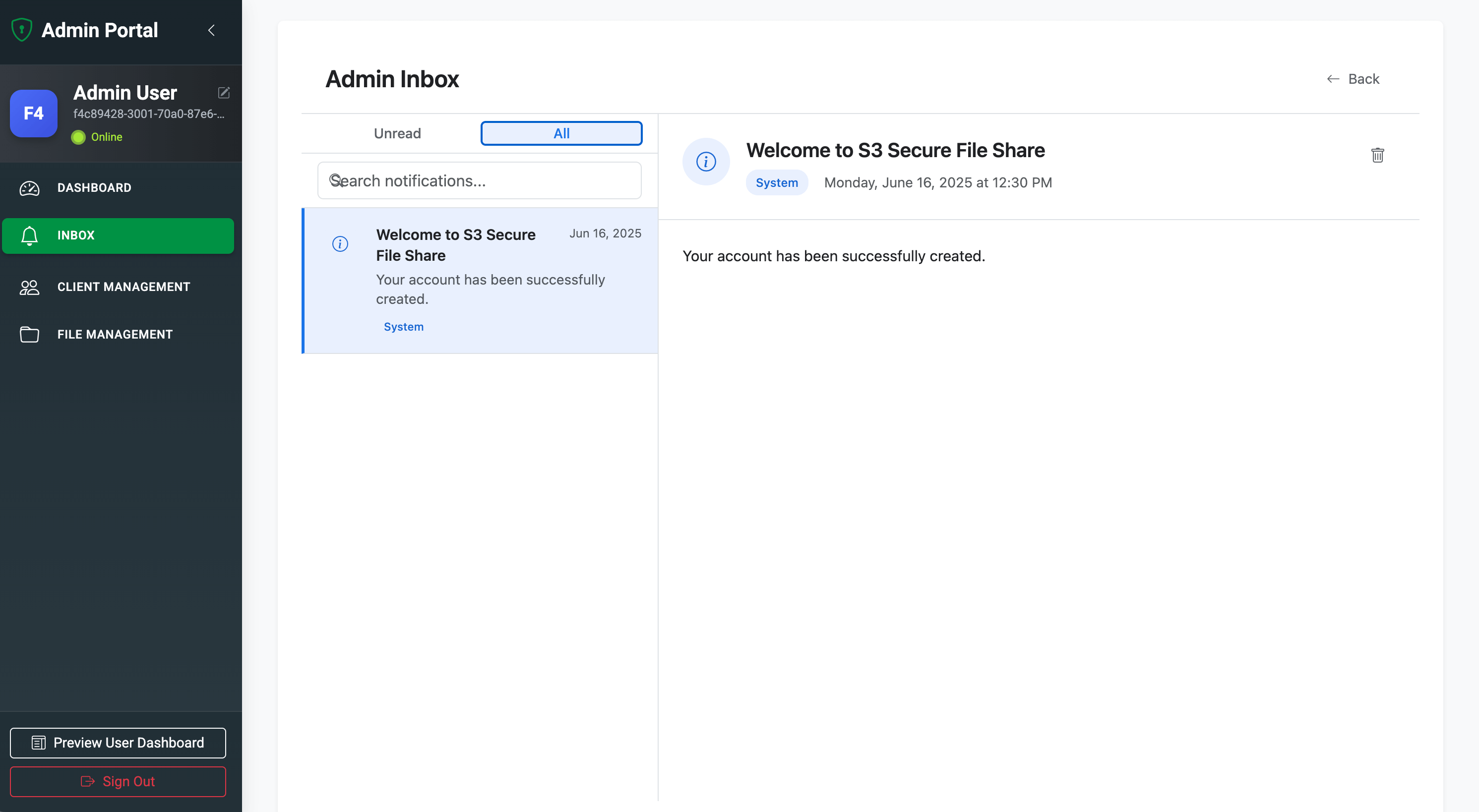
Enterprise Document Portal on AWS
A compliance-sensitive client needed secure, auditable document sharing across a distributed team — without email, without a generic file tool, and without data leaving their environment.
Cloud Architecture (AWS)Solution ArchitectureServerlessIdentity & Access Management
The Client
Growth-stage audit and certification provider serving manufacturing facilities and supply chains, with accredited third-party audits, internal audits, and training—requiring secure, auditable document sharing across distributed teams and stakeholders.
The Problem
Email-based document sharing exposed sensitive files and made retrieval slow. No audit trail for compliance, and scaling meant infrastructure management overhead.
The Constraints
- Zero-Ops: Chose serverless over managed VMs to eliminate infrastructure management — the client had no dedicated DevOps team.
- Data Residency: Sensitive documents could not leave the environment; required strict tenant isolation and S3 Signed URLs instead of public buckets.
- Compliance: Every file interaction needed an audit trail for regulatory accountability — RBAC and logging were non-negotiable.
The Solution
Architected a serverless, multi-tenant portal on AWS to eliminate infrastructure management while enforcing strict data isolation. Leveraged AWS Cognito for identity, S3 with Signed URLs for secure file delivery, and a serverless backend to ensure high availability and automatic scaling without operational overhead.
Business Impact
- Architected role-based access control (RBAC) and audit logging to provide compliance-ready visibility, supporting enterprise accountability at scale.
- Eliminated email-based document sharing — reducing security exposure and cutting document retrieval time from XX minutes to under XX seconds.
- Serverless architecture scaled to handle XX concurrent users with zero infrastructure management overhead.
Tech Stack
AWS AmplifyAWS CognitoAWS LambdaAmazon S3Amazon RDSReactRole-Based Access Control (RBAC)Serverless Architecture
Skills Applied
- Cloud Architecture (AWS)
- Solution Architecture
- Serverless Computing
- Identity & Access Management
- Security Architecture
- Audit Logging
- Full-Stack Development
- Requirements Analysis
- Pre-Sales Scoping
Preview outcome: Document retrieval from XX minutes to under XX seconds; compliance-ready audit trail for every file interaction.
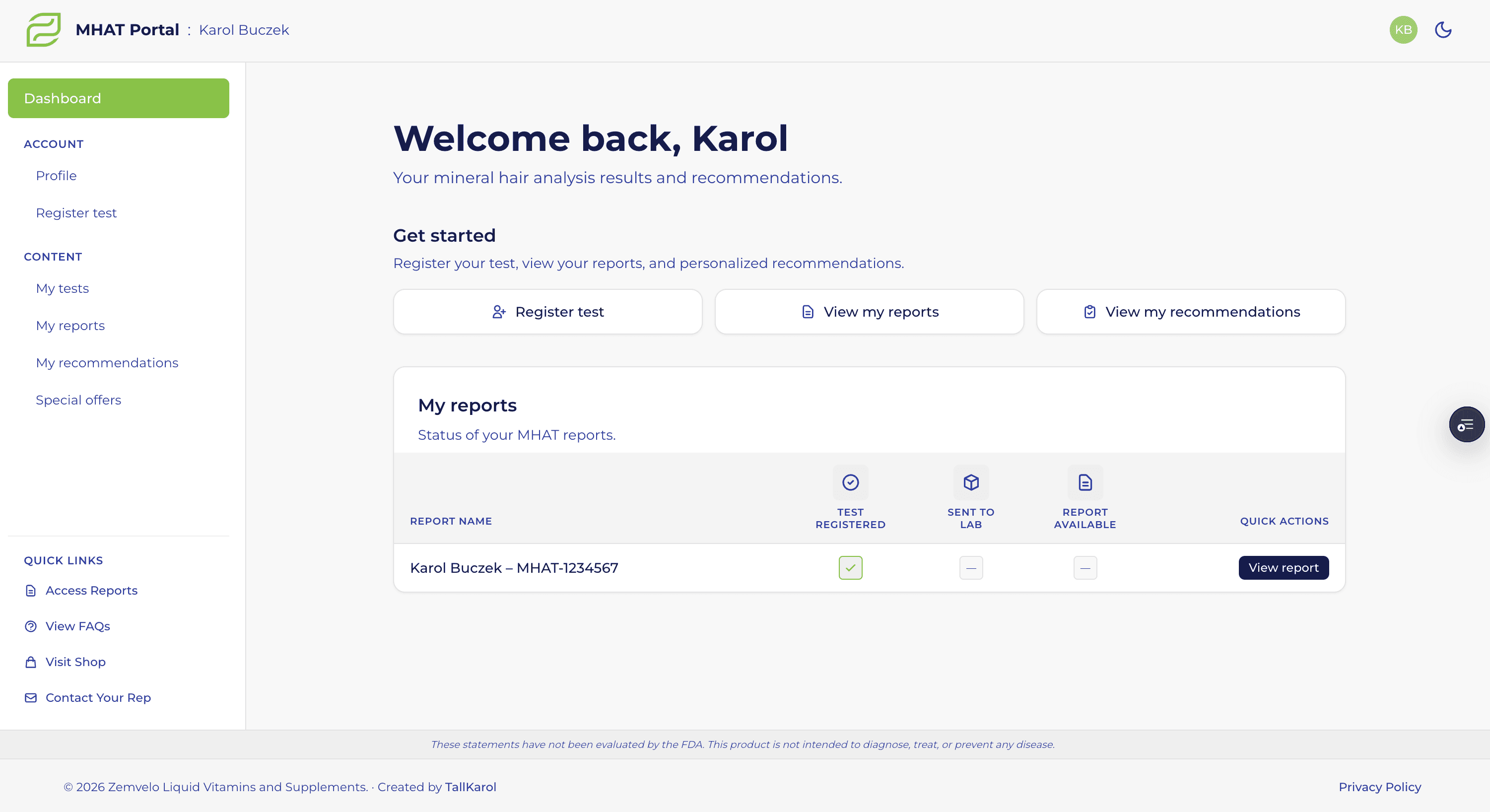
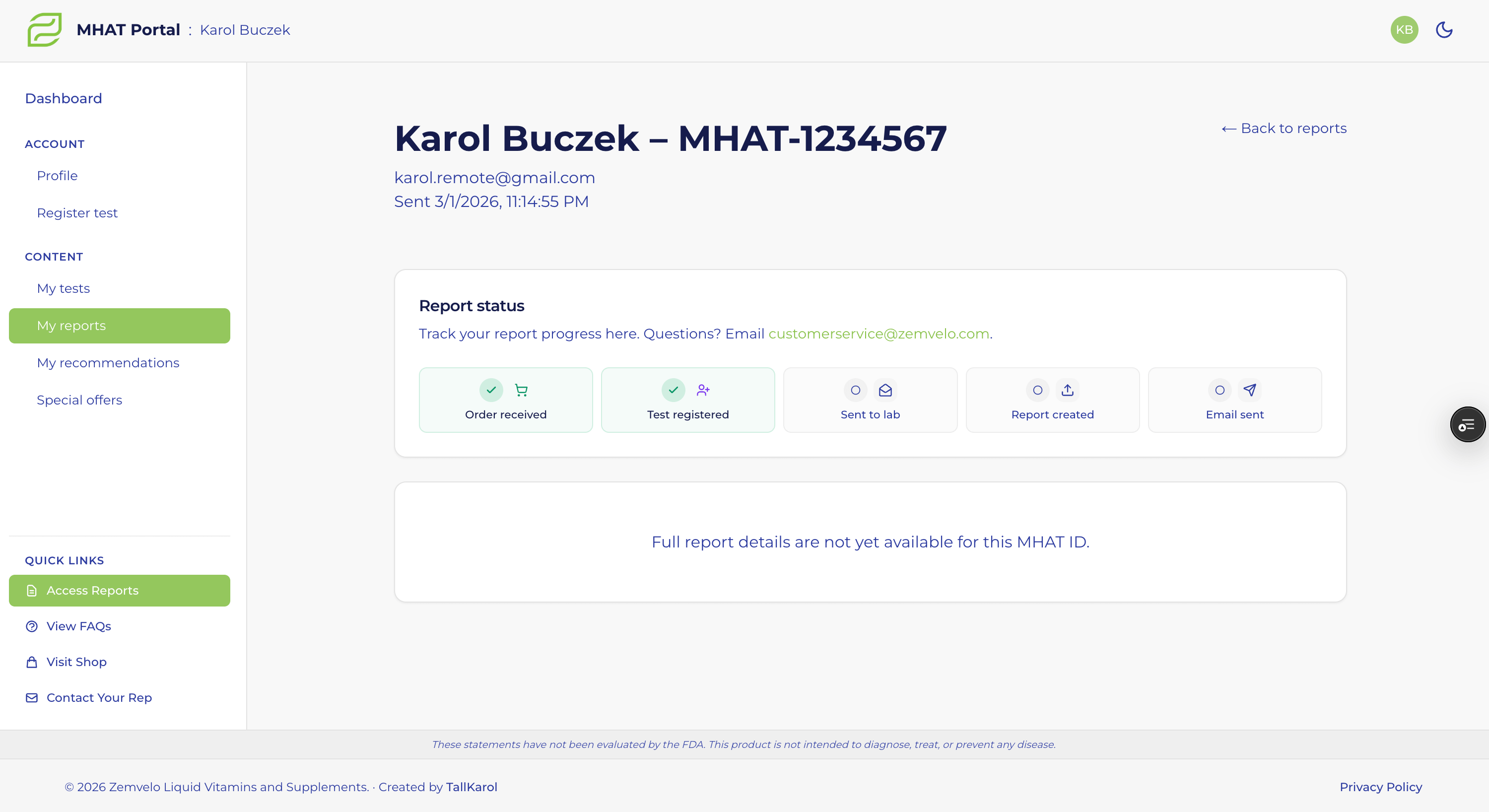
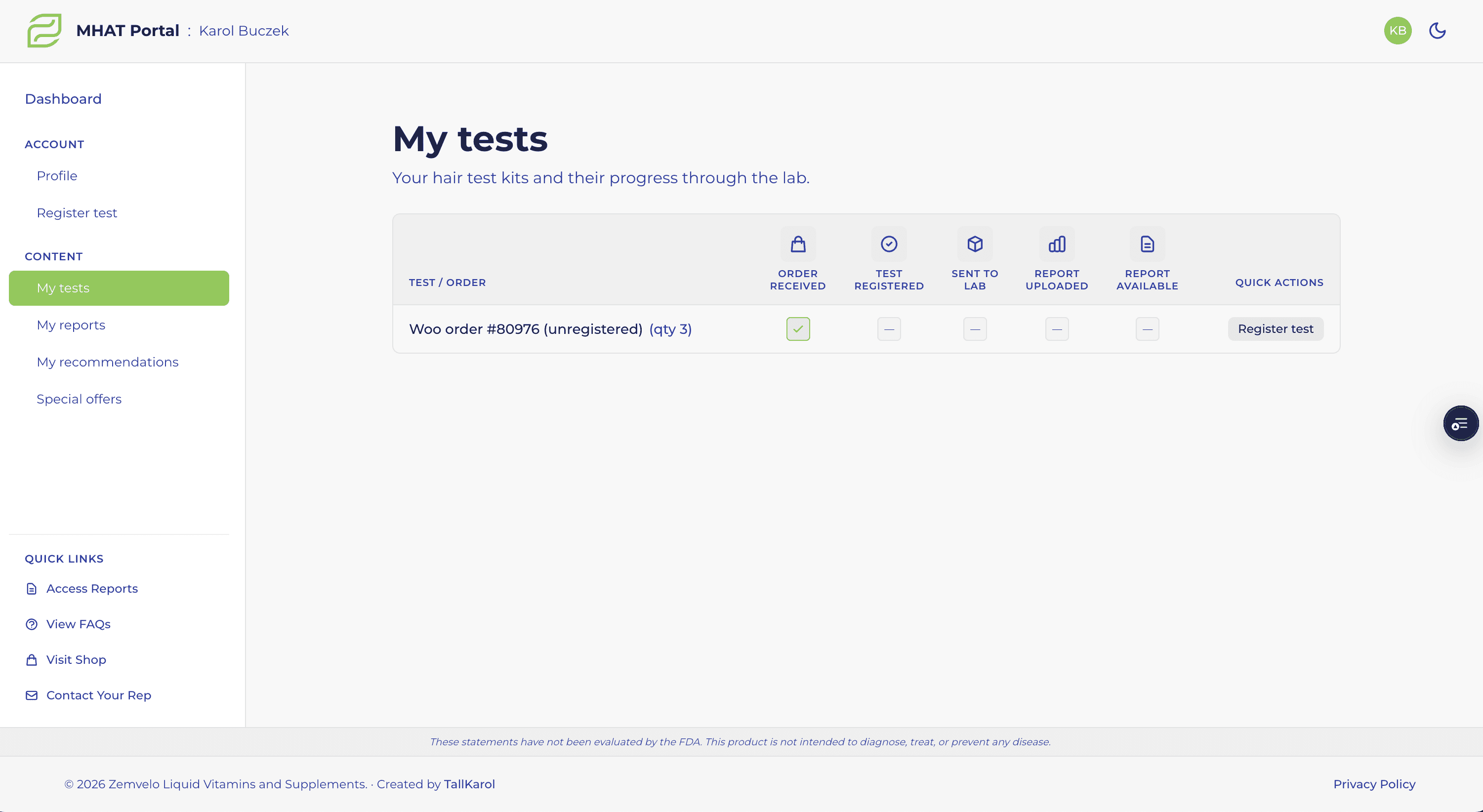
unified-customer-lifecycle-platform
Unified Customer Lifecycle Platform
Customer Data Portal & Lifecycle Automation
A fragmented five-tool workflow was creating gaps between commerce data, customer communication, and access control — the fix required a unified portal built around the data, not around the tools.
Solution ArchitectureAPI IntegrationFull-Stack DevelopmentMarketing Automation
The Client
Growth-stage ecommerce brand with B2C and B2B operations, needing unified commerce data and lifecycle automation across multiple platforms.
The Problem
A manual 5-tool workflow was costing time and causing data discrepancies between WooCommerce and CRM. Customer data lived in silos with no unified view, and lifecycle communication couldn't be triggered from real commerce events.
The Constraints
- Data Silos: Commerce (WooCommerce) and marketing (Mailchimp) lived in separate systems — required a decoupled sync layer to bridge them without vendor lock-in.
- Real-Time Requirement: Lifecycle automation had to be triggered by actual commerce events, not batch jobs — chose event-driven sync over nightly ETL.
The Solution
Designed a decoupled architecture to bridge commerce data with lifecycle marketing. Engineered a sync engine between WooCommerce and a centralized Supabase/PostgreSQL backend, allowing for real-time commerce-driven event triggers that were previously locked in silos.
Business Impact
- Eliminated data discrepancies between WooCommerce and CRM through a unified synchronization layer, ensuring a single source of truth for customer lifecycle reporting.
- Replaced a manual 5-tool workflow with a unified portal — reducing administrative overhead by an estimated XX hours per week.
- Lifecycle automation triggered by real commerce data increased email relevance, contributing to an estimated XX% improvement in engagement or retention metrics.
Tech Stack
ReactSupabasePostgreSQLJWT AuthenticationVercelWordPress REST APIWooCommerce APIMailchimp APIWebhooks
Skills Applied
- Solution Architecture
- API Integration
- Full-Stack Development
- Authentication & Access Control
- Data Synchronization
- Marketing Automation
- Lifecycle Workflow Design
- Requirements Analysis
Preview outcome: Replaced 5-tool workflow with one portal — estimated XX hours per week saved; single source of truth for commerce and CRM.
local-ai-meeting-intelligence
Local AI Meeting Intelligence System
Private, On-Premise Audio Transcription & Action Item Extraction
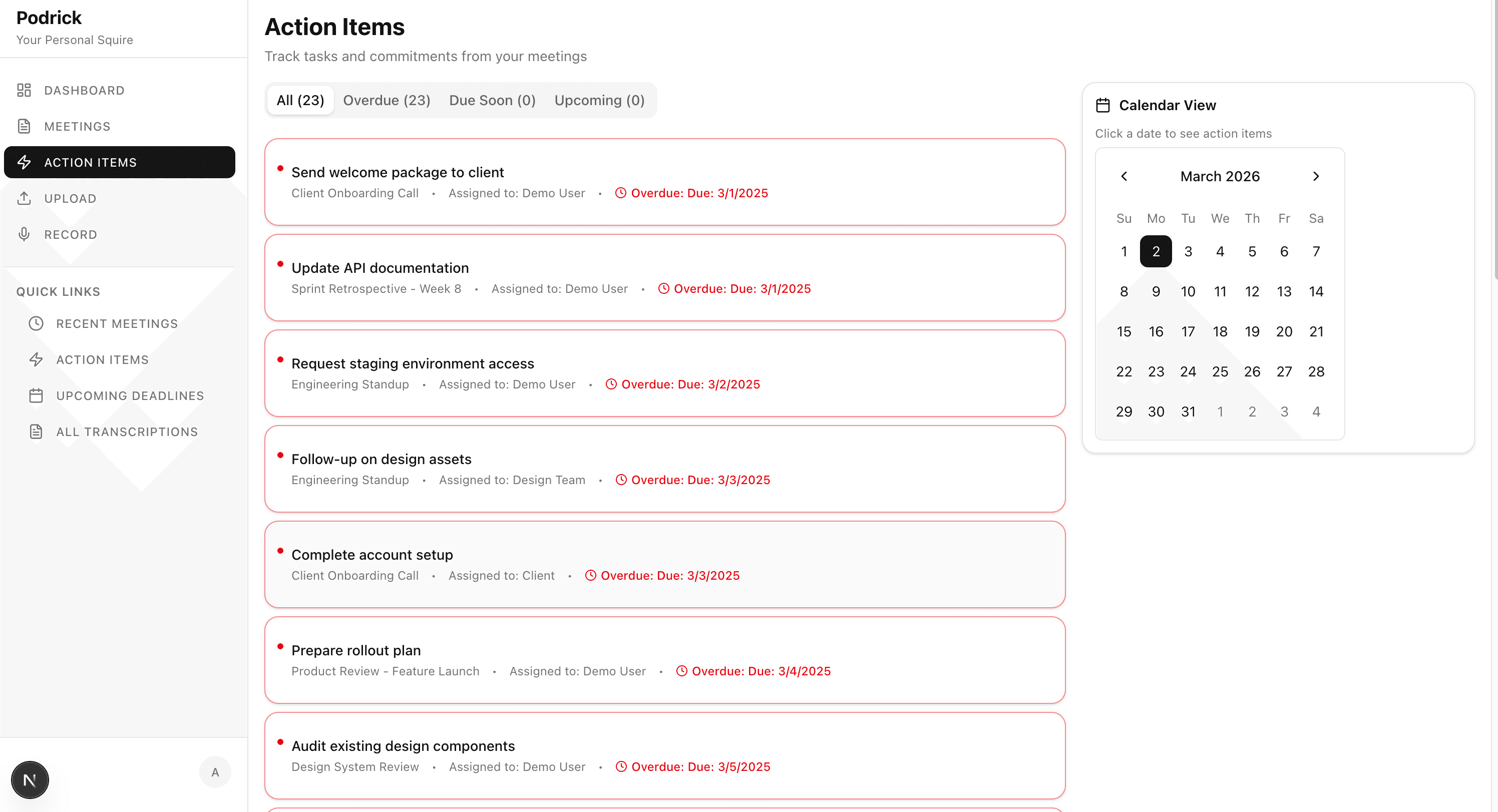
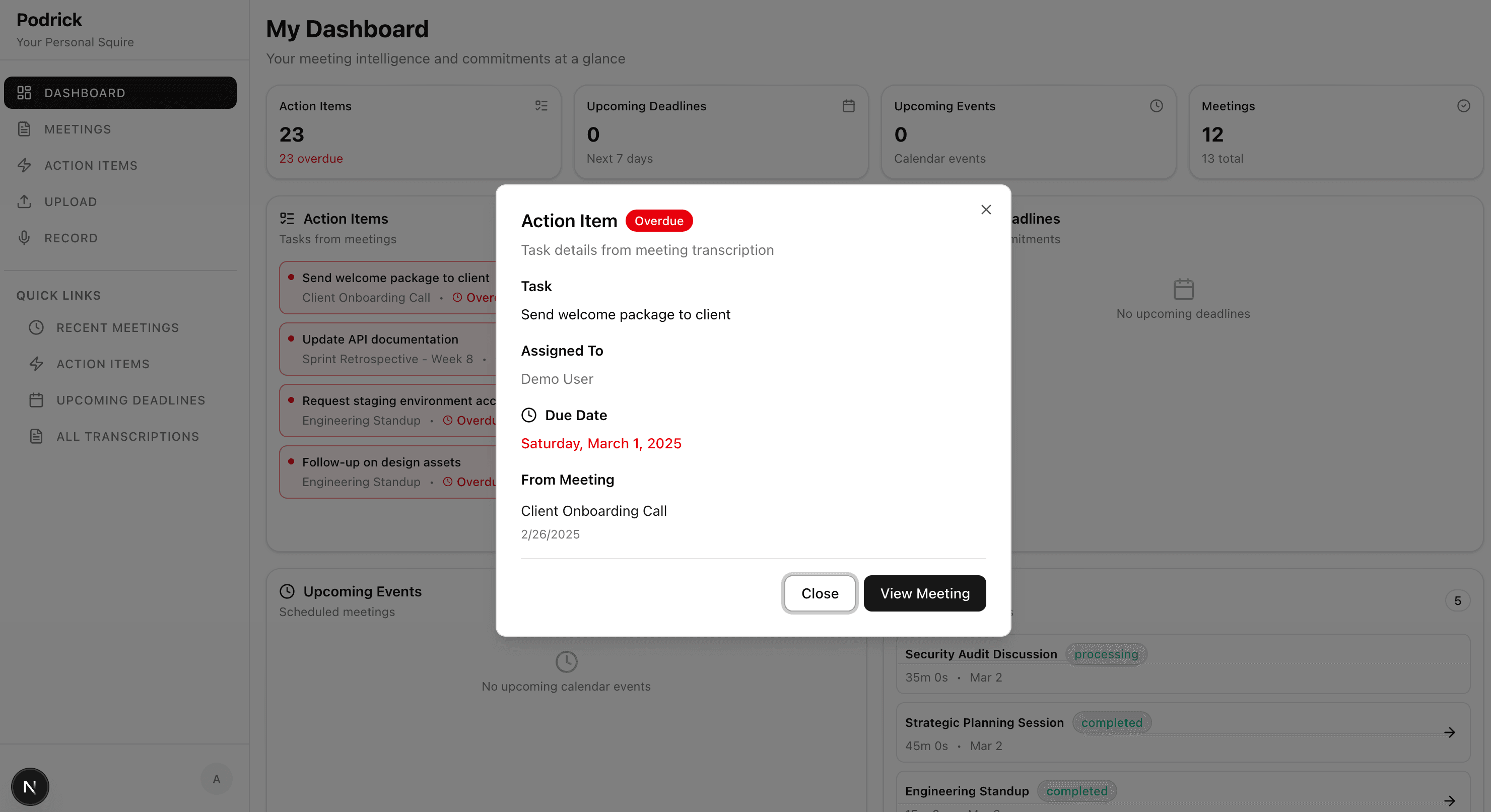
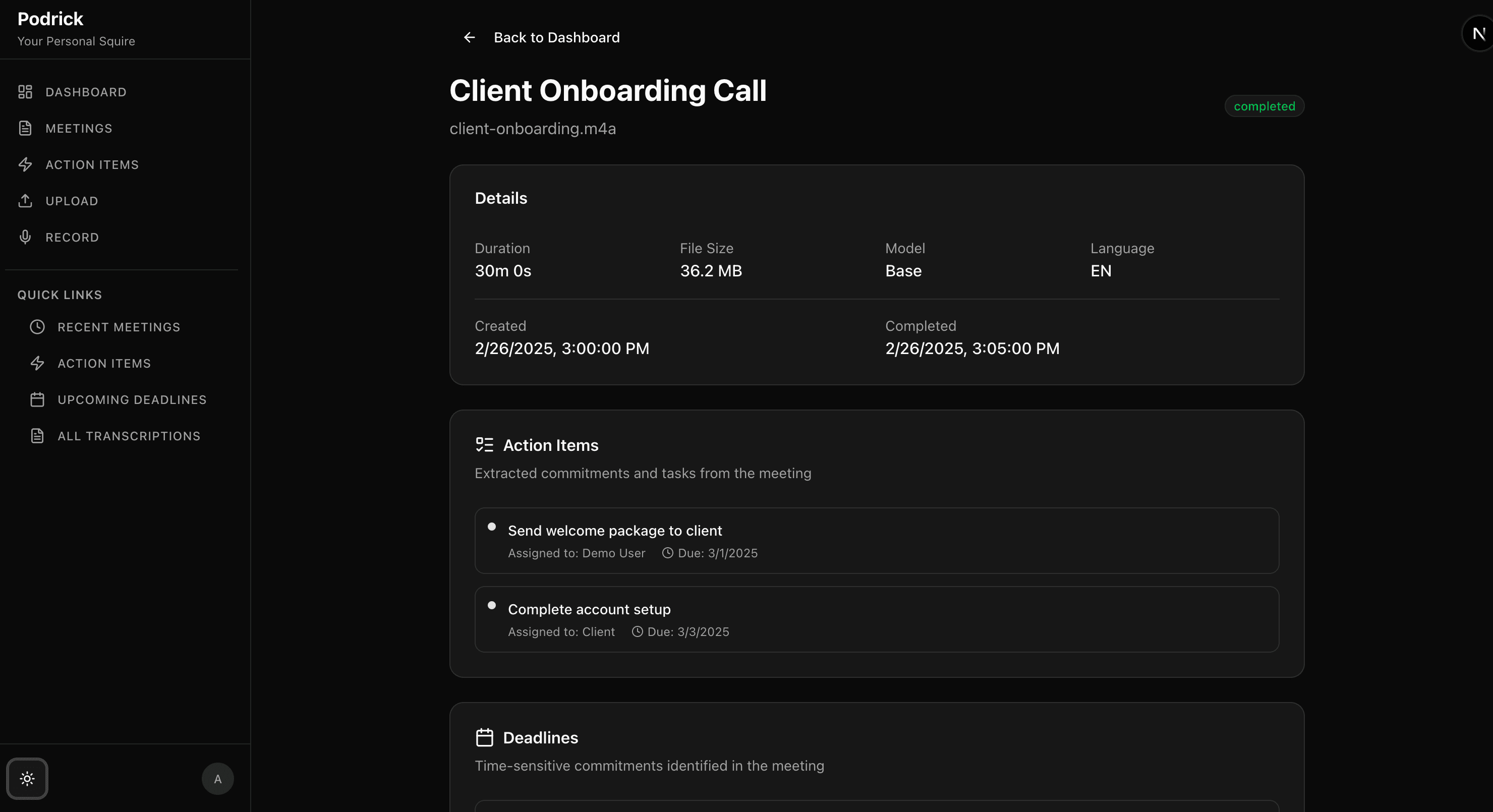
Sensitive meeting recordings couldn't go to a cloud service. The solution ran entirely on local hardware — transcription, deadline extraction, and calendar output with zero external data transmission.
AI EngineeringLocal LLM DeploymentPrivacy-Compliant ArchitectureWorkflow Automation
The Client
Enterprise organization requiring privacy-first, on-premise meeting intelligence for sensitive internal and client discussions.
The Problem
Meeting recordings contain sensitive information — client names, financials, strategic decisions, personnel discussions. Sending that audio to a cloud transcription service means accepting unknown data retention policies, unclear training data agreements, and potential compliance exposure. For organizations under NDA, handling client data, or unwilling to feed proprietary conversations into a third-party model, that tradeoff isn't acceptable. The solution couldn't be another SaaS tool; it had to run locally, on hardware the organization controlled, with zero data leaving the environment.
The Constraints
- Data Residency: Chose local inference over cloud APIs — audio could not leave the building; HuggingFace Whisper on-premise was the only compliant path.
- NDA/Compliance: Third-party SaaS transcription was unacceptable; required 100% on-premise, air-gapped processing with no external API calls.
The Solution
Architected an air-gapped transcription and intelligence pipeline to meet strict NDA and compliance requirements. Designed the system to run entirely on on-premise hardware using HuggingFace Whisper models, ensuring zero data transmission to third-party cloud services.
Business Impact
- Automated the extraction of actionable commitments and calendar events directly from raw audio, removing manual follow-up friction while maintaining 100% data residency.
- Eliminated exposure risk of sensitive meeting content to third-party cloud services — enabling transcription workflows in NDA-governed, compliance-sensitive, and client-facing environments.
- Reduced post-meeting documentation time from an estimated XX minutes of manual notes to automated structured output generated within minutes of recording completion.
Tech Stack
HuggingFace WhisperPythonLocal inference (on-premise, no cloud API)Multi-language ASRICS file generationGoogle Calendar link generationOutlook-compatible calendar linksNatural language date/deadline extraction
Skills Applied
- AI Engineering
- Local LLM Deployment
- Python
- Workflow Automation
- Privacy-Compliant Architecture
- Requirements Analysis
- System Design
- Documentation Automation
Preview outcome: Zero data left the building; structured docs + calendar events in minutes instead of XX minutes of manual notes.
uwd-enterprise-integration-api
UWD Enterprise Integration API
Centralized Integration Service for Revenue & Customer Platforms
Designed and implemented an integration architecture connecting diverse systems (Five9, Mailchimp, CRM, and others) — eliminating manual data handoffs and creating a single source of truth across sales and marketing operations.
Systems IntegrationAPI DevelopmentIntegration ArchitectureBackend Engineering
The Client
Enterprise home services company with national reach, running high-volume call center, CRM, and marketing operations.
The Problem
There was no centralized integration layer or standardized framework for onboarding or updating systems, creating operational complexity as the ecosystem expanded.
The Constraints
- High-Volume, Zero-Downtime: Call center and CRM operations ran 24/7 — integrations had to fail gracefully and recover without manual intervention.
- Observability: Chose a shared logging/telemetry framework over per-integration logging — needed full request-lifecycle visibility across a diverse set of integrations (Five9, Mailchimp, CRM, and others) to reduce MTTR.
- Extensibility: New platforms would be onboarded regularly — modular route architecture allowed additions without structural refactoring.
The Solution
Designed a templatable, maintainable service-oriented integration layer to replace fragmented, brittle connections between diverse systems (Five9, Mailchimp, CRM, and others). Implemented a modular route architecture and a standardized logging framework to ensure the entire system was observable and extensible for future platform onboarding.
Business Impact
- Reduced mean time to recovery (MTTR) by implementing a shared telemetry framework that provided full request-lifecycle visibility across all third-party API interactions.
- Eliminated manual data entry between call center and CRM — saving an estimated XX hours per week across sales and marketing operations.
- Single source of truth across diverse systems (Five9, Mailchimp, CRM, and others) reduced lead duplication and data discrepancies, improving reporting confidence across departments.
Tech Stack
REST APIsPHPJavaScriptMySQLFive9 APIMailchimp APIWebhook ArchitectureCron AutomationCustom Logging FrameworkAWS S3
Skills Applied
- Systems Integration
- API Development
- Integration Architecture
- Backend Engineering
- Data Pipeline Architecture
- CRM Integration
- Call Center Integration
- Error Handling & Observability
- Workflow Automation
Preview outcome: Estimated XX hours per week saved across sales and marketing; single source of truth across diverse systems.
martech-extension-architecture
MarTech Extension Architecture
Custom WordPress Engineering Across Commerce & CRM Environments
Attribution gaps, tracking inconsistencies, and performance bottlenecks across multiple client environments — each requiring a purpose-built WordPress solution rather than an off-the-shelf fix.
Solution ArchitectureWordPress EngineeringAttribution ModelingMarTech
The Client
Enterprise clients across ecommerce and professional services, each with distinct attribution, tracking, and performance requirements.
The Problem
Attribution gaps meant marketing couldn't trace first-touch and last-touch across web and CRM. GTM instrumentation required developer tickets, and Core Web Vitals issues hurt organic search.
The Constraints
- VIP Compliance: Client sites had to meet WordPress VIP standards — required render-path refinement and asset orchestration within strict performance budgets.
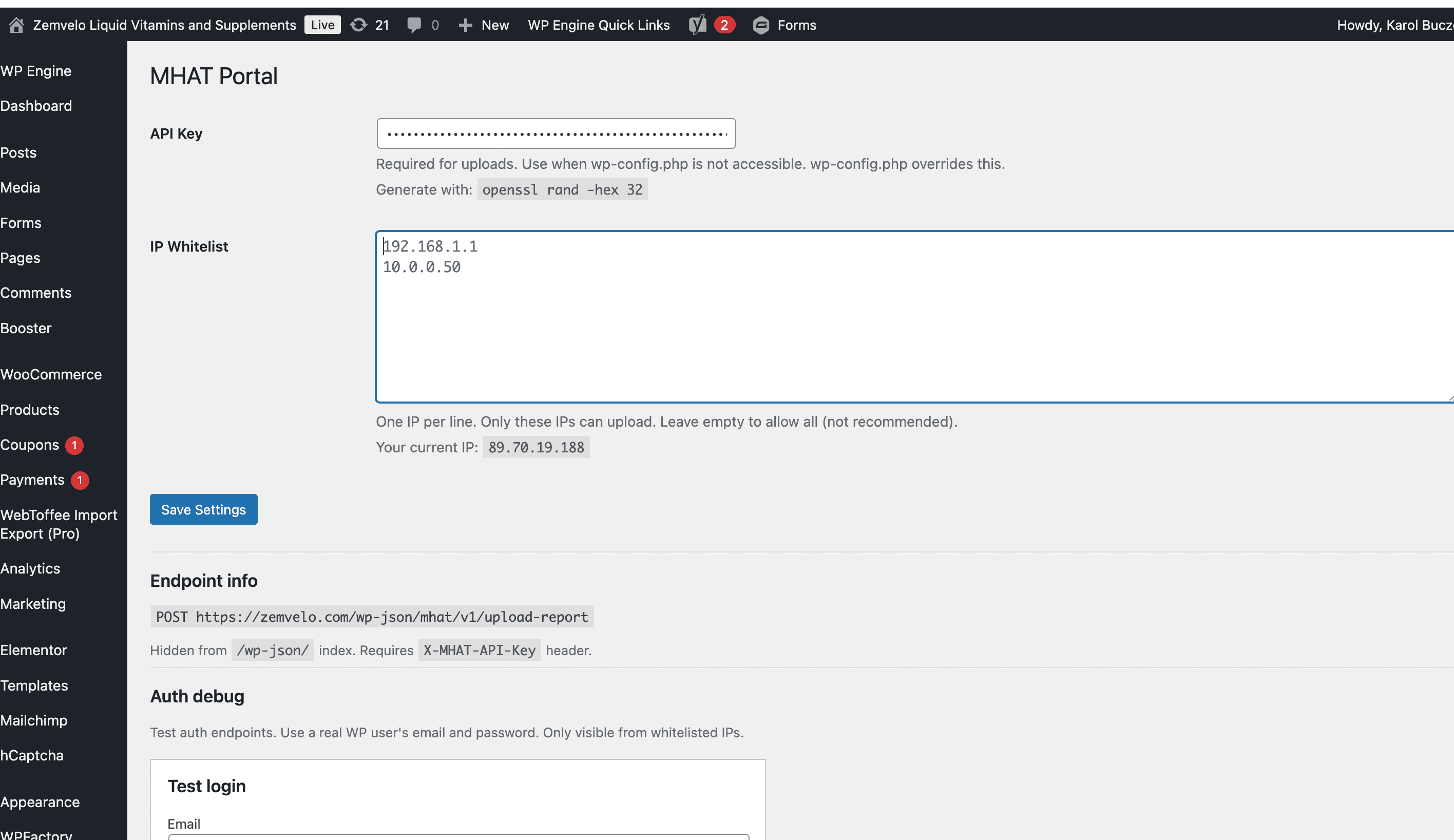
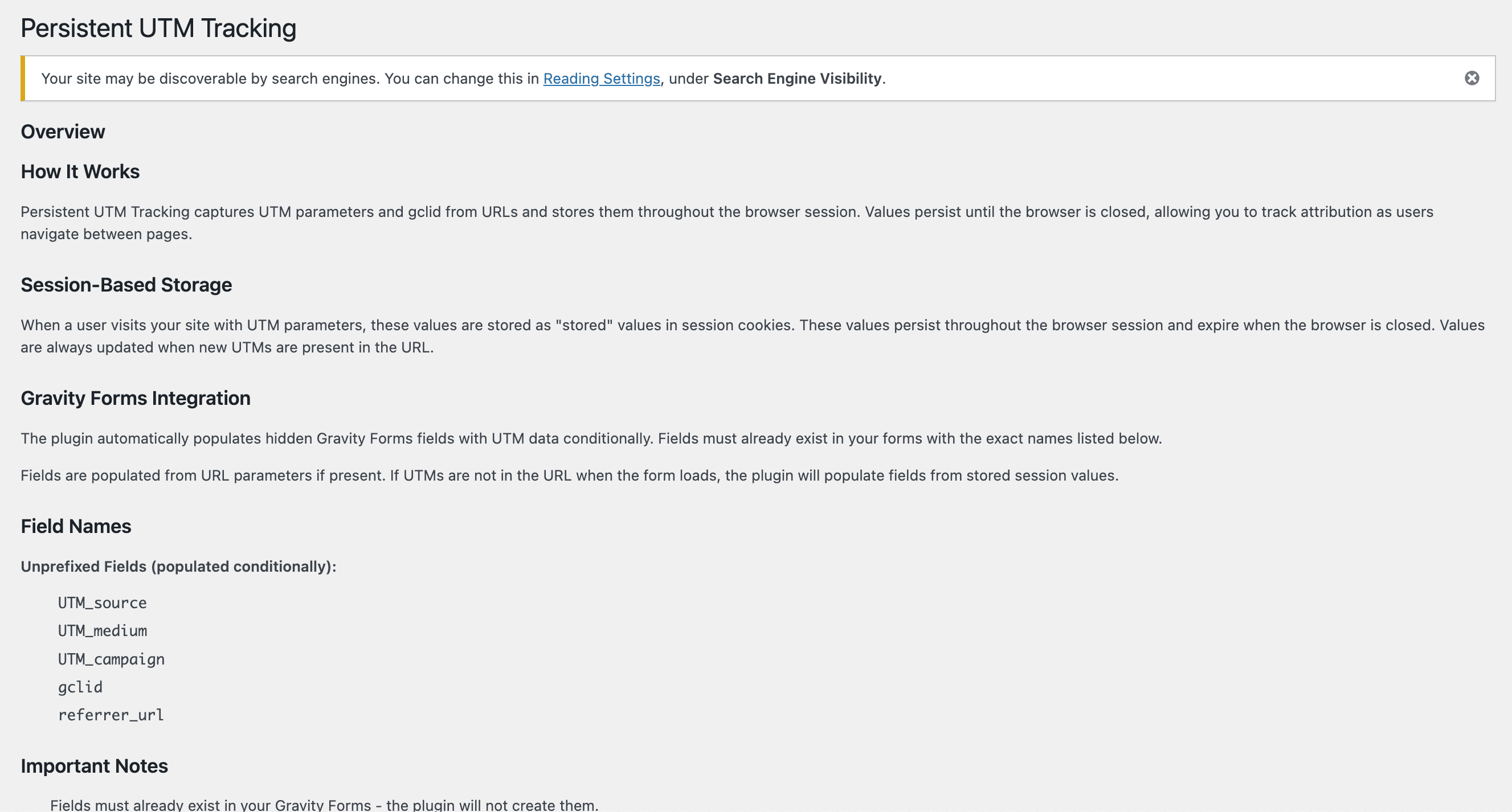
- Attribution Integrity: First-touch and last-touch data had to persist from web through CRM — chose a persistent UTM engine over session-only tracking to support downstream attribution.
The Solution
Engineered high-performance WordPress extensions to solve attribution and performance bottlenecks on enterprise VIP environments. Architected a persistent UTM attribution engine to maintain data integrity from first-touch through CRM conversion.
Business Impact
- Optimized Core Web Vitals (LCP 5.5s → 3.2s) through render-path refinement and asset orchestration, directly impacting organic search performance for high-traffic environments.
- UTM attribution plugin closed a critical tracking gap — giving marketing teams first-touch and last-touch visibility across web and CRM for the first time, improving campaign attribution accuracy by an estimated XX%.
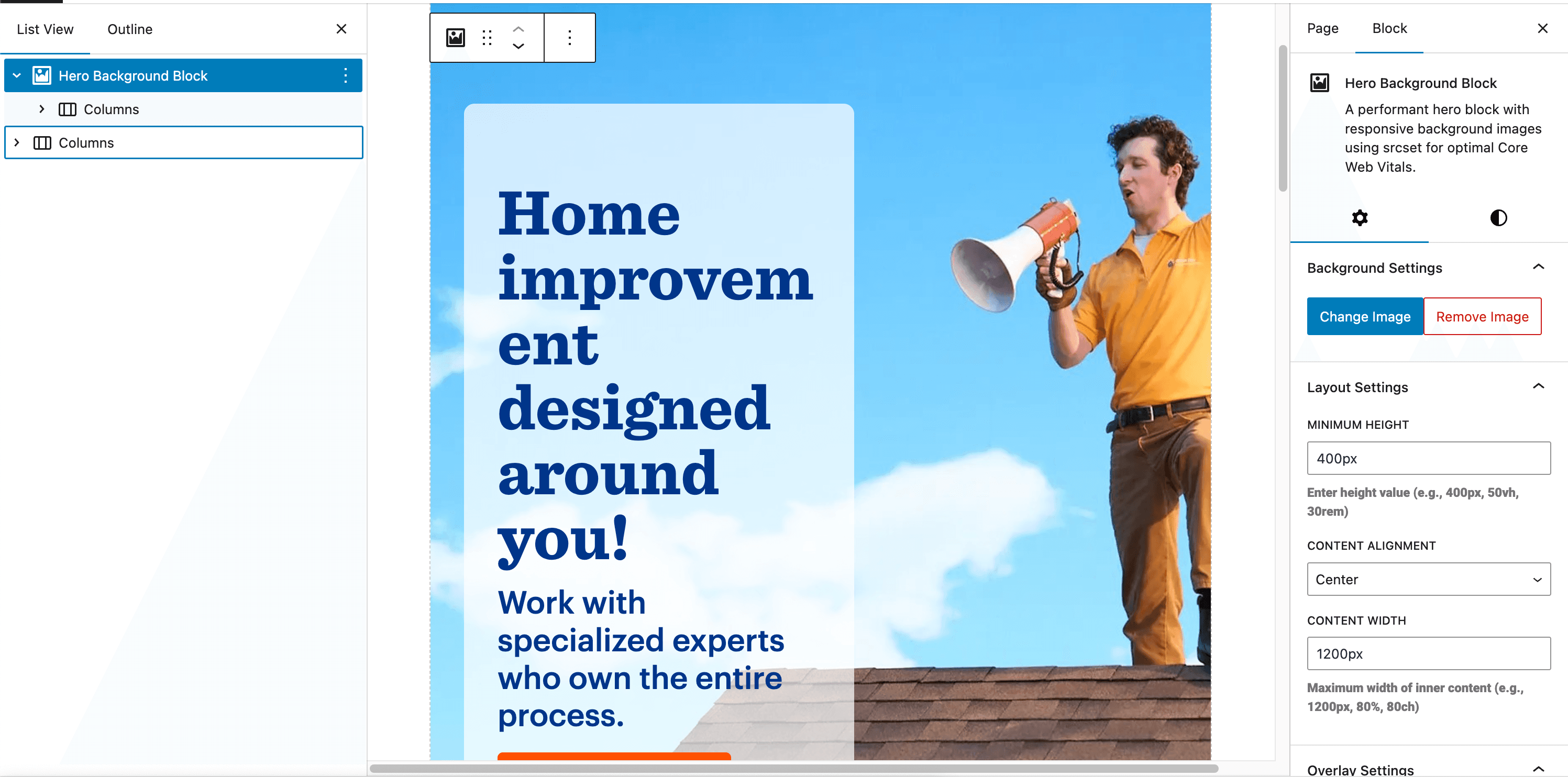
- GTM Event Button Block reduced dependency on developer resources for analytics instrumentation — enabling marketing teams to deploy standardized tracking events without engineering tickets.
Tech Stack
WordPressPHPJavaScriptGoogle Tag ManagerGoogle Analytics 4WooCommerceREST APIsMySQLGutenberg Block APICore Web Vitals
Skills Applied
- Solution Architecture
- WordPress Engineering
- Attribution Modeling
- GTM Event Schema Design
- API Integration
- Performance Optimization
- Data Normalization
- Full-Stack Development
- MarTech
Preview outcome: LCP 5.5s → 3.2s, Lighthouse 70 → 83; first-touch and last-touch attribution across web and CRM.