




About

Strategic momentum dies in broken systems.

I learned that as a Marketing Director before I became an Architect. I was responsible for strategy and conversion—but the moment leads hit our systems, they were only as good as the pipelines built to utilize them. We were hitting a ceiling of manual handoffs and data gaps that eroded ROI.

I realized the bottleneck wasn't creativity; it was architecture. So I engineered the solution.

Over time, I evolved into the layer that makes the business possible. For the last 7+ years, I've designed the translation and integration layers that determine whether a great strategy actually lands. I build the infrastructure that C-Suite, Operations, and Marketing teams depend on to turn vision into operational reality.

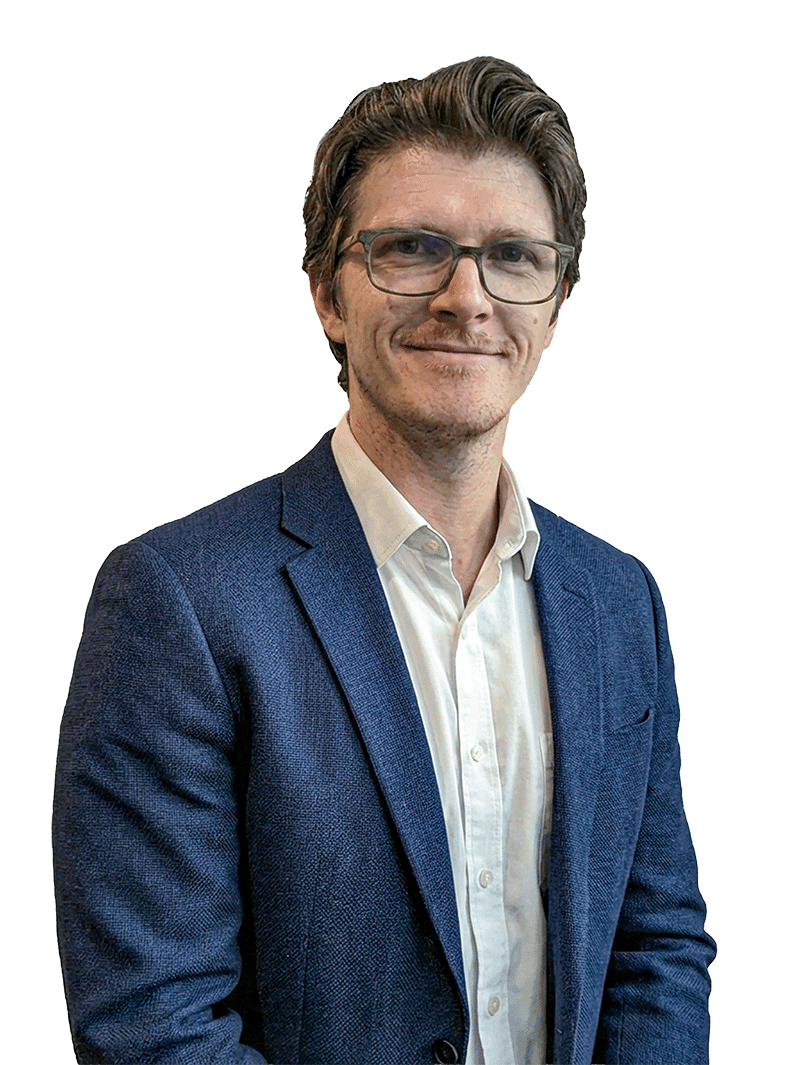
Karol Buczek

How I Approach Architecture

I build for Observable Failure: systems where problems surface immediately instead of silently. When a pipeline fails, a lead drops, or data drifts — you know it. Idempotency, retries, and governance aren't theoretical. They're the difference between a weekend fire drill and a Monday morning status update.

Silent systems are expensive systems.

I scope by Business-Driven Outcomes. I don't start with tech choices. I start with what the business needs to measure, ship, or scale — then I map backwards to the architecture. That keeps scope tight, avoids gold-plating, and ensures ROI is baked into the design. Governance and scalability follow from the problem, not from a checklist.

Battle-Tested, No Oversight Required

My philosophy isn't academic; it was forged in production environments where downtime has a direct dollar value.

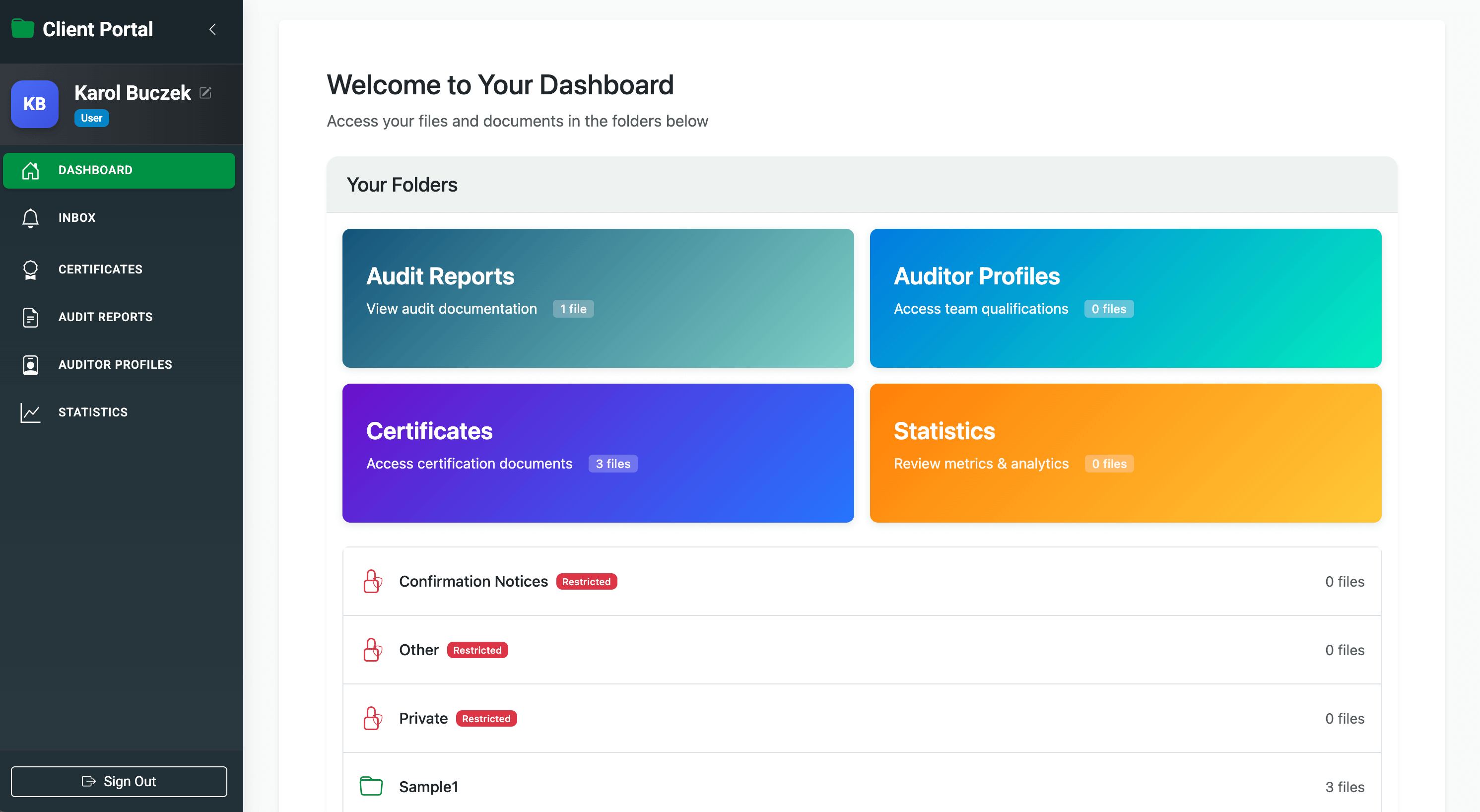
At Tall Karol, I operate as Principal Solutions Architect — scoping, designing, and shipping end-to-end. I designed secure, multi-tenant document portals to meet compliance requirements in regulated industries where data cannot leave the environment. I architected a decoupled ETL middleware layer to preserve data integrity and idempotency as raw business data flows into analytics-ready tables. I engineered custom observability pipelines so leadership could measure ROI and forecast revenue from a single source of truth. The goal: eliminate silos, centralize governance, and make the stack a multiplier for business strategy — not a bottleneck.

At Universal Windows Direct, I designed a shared logging and telemetry framework to reduce MTTR and make failures traceable across a diverse set of integrations (Five9, Mailchimp, CRM, and many others) — under high-volume, zero-downtime constraints. I chose a modular API strategy so each integration could be added or updated without structural refactoring. I delivered senior-level architectural results because the business required them, regardless of the formal title on my desk.

The complexity is real: multi-system orchestration, data consistency across boundaries, governance at scale. I've shipped it.

Standardizing for Scale

I've spent a decade solving integration, governance, and scalability problems in high-stakes environments. My current focus is translating those battle-tested solutions into the standardized frameworks of the major cloud providers.

Moving from custom-built middleware to AWS, Azure, and GCP isn't a pivot—it's an upgrade in tooling. These certifications (AZ-900, GCP-DL, and AWS SAA in progress) represent the formalization of my architectural patterns into enterprise-grade services. They are the building blocks I use to ensure my designs meet the rigorous demands of modern security reviews and architecture review boards. I'm not just learning the cloud; I'm optimizing my experience for the enterprise ecosystem.

For Hiring Managers

If you're looking for a Solutions Architect who thinks like an owner — who understands ROI, speaks to Marketing, Operations, and C-Suite stakeholders, and ships without hand-holding — I'm your candidate. I bring a unique trifecta to your team: the strategic lens of a Director, the tactical execution of an Engineer, and the systemic oversight of a Principal Architect.

I don't see a divide between "business goals" and "technical requirements." My background allows me to build with a dual perspective: engineering systems that are technically rigorous and strategically aligned. I build infrastructure that acts as a multiplier for business strategy.